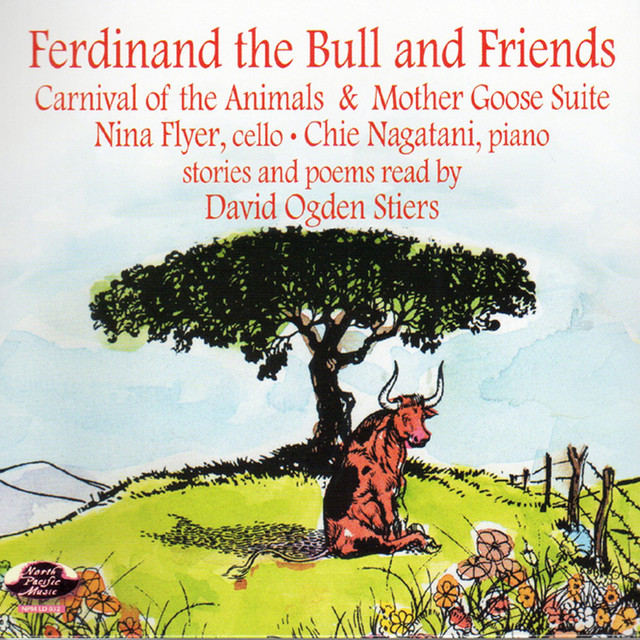
Meaning of The Carnival of the Animals: Royal March of the Lions (feat. Nina Flyer & Chie Nagatani) by David Ogden Stiers, Chie Nagatani, Nina Flyer (the story behind)
The Carnival of the Animals is a musical suite composed by Camille Saint-Saëns, a French composer, in the 19th century. It consists of fourteen movements, each representing a different animal. One of the most iconic movements in the suite is the "Royal March of the Lions." In this piece, Saint-Saëns depicts the majestic and regal nature of the king of the animal kingdom - the lion.
As the music begins, you can sense the grandeur and power of the lions being portrayed. The strong and imposing rhythm captures the essence of the lion's commanding presence. The repetitive and bold melody, accompanied by the steady beat of the drums, creates an atmosphere of royalty and authority. It is as if the listener is witnessing a grand procession of lions, marching with dignity and pride.
Nina Flyer and Chie Nagatani, along with David Ogden Stiers, bring this piece to life with their skilled performances. Nina Flyer's piano playing adds depth and texture to the composition, while Chie Nagatani's cello adds a rich and melodic quality. David Ogden Stiers serves as the narrator, adding an extra layer of storytelling to the music.
The "Royal March of the Lions" reminds us of the awe-inspiring beauty and strength of these majestic creatures. It transports the listener to the African savannah, where lions roam freely and command respect. The composition's combination of powerful melodies, rhythmic intensity, and lyrical finesse makes it a memorable piece that stands the test of time.
Overall, the "Royal March of the Lions" is a testament to Saint-Saëns' extraordinary talent as a composer and his ability to capture the essence of the animal kingdom through music. This movement, like the others in The Carnival of the Animals, offers a delightful and imaginative musical experience that continues to captivate audiences of all ages.