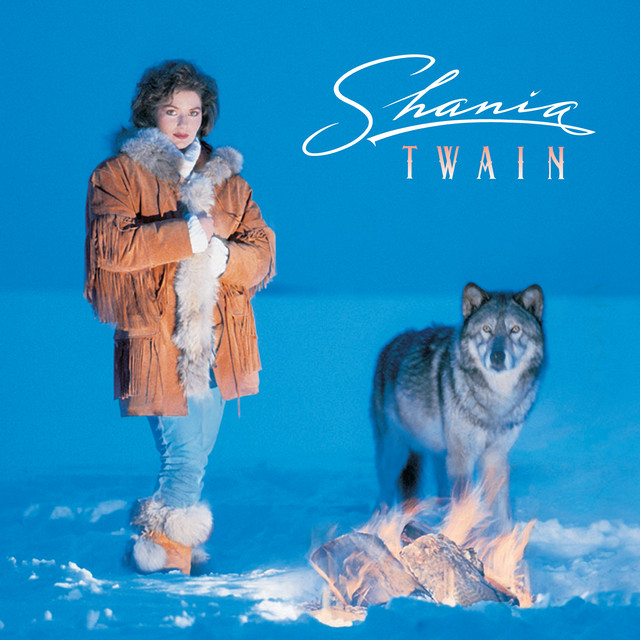
Meaning of Crime Of The Century by Shania Twain (the story behind)
"Crime of the Century" by Shania Twain is a powerful ballad that tells the story of a brokenhearted woman who feels betrayed and deceived by her partner. The song explores the emotional turmoil she experiences as she tries to come to terms with the end of the relationship and the pain it has caused her.
The lyrics paint a vivid picture of a woman who is grappling with the aftermath of a love gone wrong. She questions why her partner would commit such a "crime" against their love, reflecting on the impact it has had on her life. Through heartfelt and raw emotions, Twain captures the essence of heartbreak and the difficulty of moving on.
The song's meaning goes beyond a simple breakup. It delves into the concept of trust, vulnerability, and the devastating consequences of betrayal. The "crime" referred to is not a tangible act but rather the emotional damage caused by infidelity or a breach of trust. Twain's powerful vocals and poignant lyrics serve as a cathartic release for anyone who has experienced heartbreak and offers solace in the shared experience of pain.
"Crime of the Century" is a testament to Twain's ability to connect with her audience on a deeply emotional level. The song captures the essence of heartache and betrayal, allowing listeners to find solace in the understanding that they are not alone in their pain. With her heartfelt delivery and relatable lyrics, Twain creates a musical experience that resonates with millions and stands as an anthem for those who have been hurt and are seeking healing.
Overall, "Crime of the Century" is a powerful and emotional song that explores the pain and devastation caused by betrayal and heartbreak. Through her heartfelt lyrics and captivating vocals, Shania Twain invites listeners into her world of anguish, offering comfort and understanding to those who have experienced similar pain. The song serves as a reminder that healing is possible and that we can find solace in music during our darkest times.