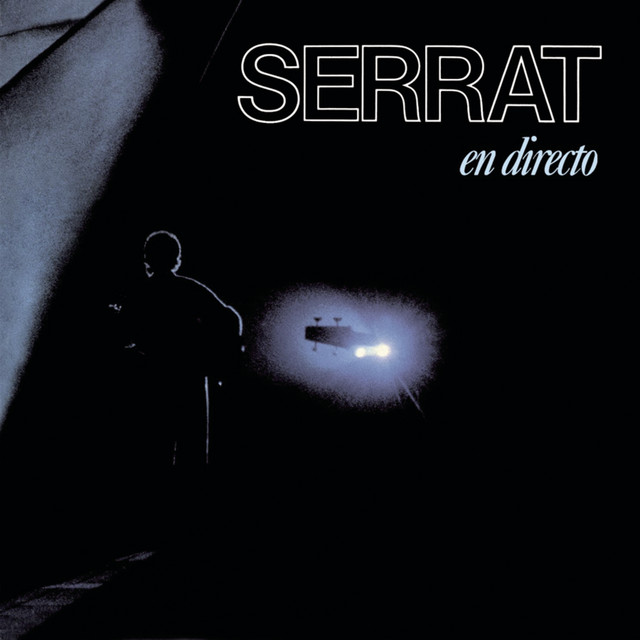
Meaning of La Tieta - En Directo by Joan Manuel Serrat (the story behind)
Joan Manuel Serrat is one of the most influential singer-songwriters in the Spanish-speaking world, known for his poetic lyrics and captivating melodies. One of his iconic songs, "La Tieta," has become a beloved classic among his fans.
The Story Behind "La Tieta"
"La Tieta" tells the story of an eccentric and free-spirited woman who defies societal norms and lives life on her own terms. The word "tieta" in Catalan means "aunt," but in this context, it symbolizes a unique and unconventional woman who doesn't fit into traditional roles or expectations.
The song paints a vivid picture of this intriguing character, describing her unconventional behavior and lifestyle. Serrat's lyrics beautifully capture her essence, combining a mix of admiration, intrigue, and a touch of nostalgia. The nostalgic element arises from the fact that the song was written during a time when Spain was undergoing significant political and social changes.
The Symbolism in the Lyrics
"La Tieta" serves as a powerful symbol of individuality and freedom, encouraging listeners to embrace their unique qualities and resist conforming to societal pressures. Through the character of La Tieta, Serrat reminds us of the importance of authenticity and staying true to ourselves, even if it means going against the grain.
The song's poetic lyrics and Serrat's emotive delivery create a powerful connection with the listener, evoking a sense of admiration and nostalgia for a time when rebellion and self-expression were essential in Spanish culture.
The Legacy of "La Tieta"
Since its release, "La Tieta" has become an anthem for individuality and non-conformity. It has resonated with audiences of all generations, continuing to inspire people to embrace their uniqueness and live life on their own terms.
Joan Manuel Serrat's "La Tieta" is a testament to the power of music to convey profound messages and touch the hearts of listeners. Its timeless lyrics and enchanting melody continue to captivate audiences, solidifying its place as one of Serrat's most beloved compositions.