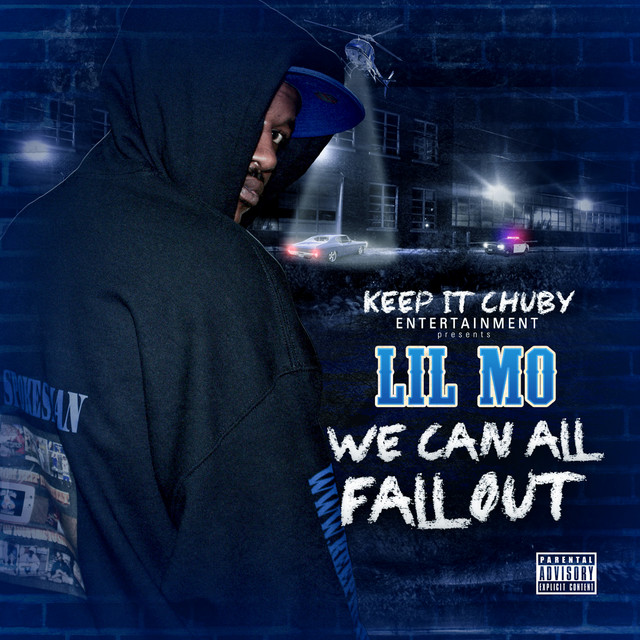
Meaning of Killa City (feat. Rondoe & F.A.) by Lil' Mo, Rondoe, F.A (the story behind)
Killa City (feat. Rondoe & F.A.) is a song by Lil' Mo, Rondoe, and F.A. that explores the realities of living in a rough and dangerous city. The lyrics speak to the hardships and struggles of growing up in a place known for violence and crime. The song offers a glimpse into the harsh realities of life in the streets and the impact it can have on individuals.
The lyrics of Killa City paint a vivid picture of the challenges faced by those living in a city plagued by violence. The artists discuss topics such as gang activity, drug dealing, and the constant fear that comes with residing in such an environment. The song serves as a commentary on the cycle of violence and the struggles that people face in trying to escape it.
Lil' Mo, Rondoe, and F.A. use their lyrics to shed light on the experiences of those from disadvantaged backgrounds and express the frustration and despair that can arise from living in such conditions. Through their raw and introspective storytelling, they give a voice to those who often go unheard.
While the song may not offer a solution to the problems it addresses, it serves as a platform for raising awareness about the realities of life in a city ravaged by violence. Killa City highlights the need for change and prompts listeners to reflect on the root causes of these issues.
The collaborative effort between Lil' Mo, Rondoe, and F.A. brings together different perspectives and experiences, creating a powerful narrative that resonates with listeners. The song serves as a reminder of the strength and resilience of those who endure challenging circumstances and offers a glimpse into their daily struggles.
In conclusion, Killa City (feat. Rondoe & F.A.) is a song that delves into the harsh realities of living in a violent city. Through its lyrics, Lil' Mo, Rondoe, and F.A. shed light on the difficulties faced by individuals living in such environments and highlight the need for change. The song serves as a powerful commentary on the cycle of violence and provides a platform for those who often go unheard.